In 2024, I set myself a mission to read more books that I felt could help my knowledge, skills and understanding in my role as a trainee EP. I tried to do this from different angles and alongside my journals and non-fiction book reading for university, I tried to explore a range of autobiographies and fiction books that would also help me reflect on different aspects of psychology. I feel reading these stories, particularly the autobiographies really helps challenge my thinking around what I do, why I do it and ultimately be more curious about a child’s lived experiences.
Here are some of my favourite books from 2024/25:

Eye Can Write by Jonathan Bryan : We had a session in Y2 at university focusing on supporting children with profound and multiple learning difficulties (PMLD) and I’d say about 1/3 of that was taken up by me making a passionate speech about how much this book changed my outlook on supporting children with this label. In this book, Jonathan tells his own story of being labelled as a ‘PMLD child’ at school and his journey using augmentative and alternative communication (AAC) through specialist and mainstream education towards writing this beautiful book. Reading this for me happened to coincide with a piece of casework I had with a child who had a PMLD label and it made me view my work in a completely different light. I think it made me realise the importance of exploring all forms of non-verbal communication, the limiting assumptions some professionals can hold about non-speaking children, and how frustrating not being able to verbalise your internal experiences is for non-speaking children.
If you liked this book, the film ‘Out of my mind’ on Disney+ has a similar message about the role of AAC in helping young people express their ideas and reach their potential.
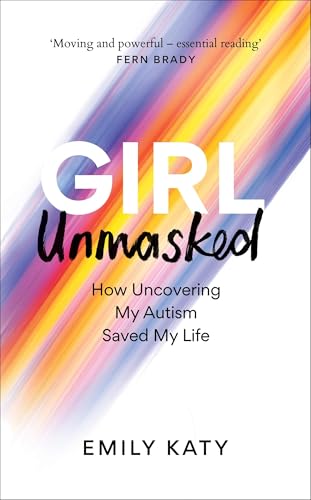
Girl Unmasked: How Uncovering My Autism Saved My Life by Emily Katy: I listened to this as an audiobook and I’m really glad I did as I was in the story with Emily the whole way through from the highs and lows. Emily tells her own story of her life experiences as an autistic woman with ADHD and her struggles growing up and navigating teenage life without a diagnosis. Autistic masking girls has been an area of interest within my work and this book helped me to understand Emily’s inner thinking processes and reflect on the mental health support provisions in the UK, day to day challenges for autistic people and the importance of diagnosis in promoting self-understanding for many autistic people. Emily has also included lots of considered research about autism to educate the reader along with her personal narrative which I found really useful. I should give you the warning that this book definitely had me in tears at times but really helped me to reflect on my role in supporting young autistic girls.
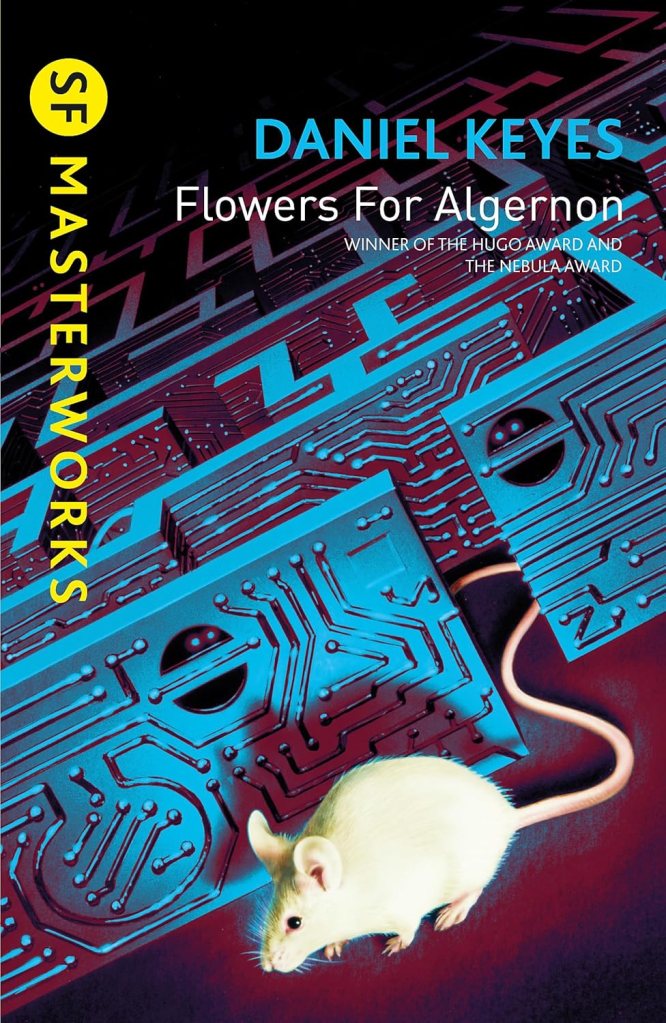
Flowers for Algernon by Daniel Keyes: Flowers for Algernon was recommended on my social media from one of my virtual TEP friends who I believe had this as assigned course pre-reading. It is a fiction book that explores the notion of ‘intelligence’ and the impact that a high or low IQ score might have on your life. In this book, Charlie the main character is given experimental surgery to increase his IQ and as a result his whole life changes in a multitude of ways. I love that this book was written in diary format and explores themes around how Charlie views the world, how people treat him and how his cognitive and emotional intelligence can often be at odds with one another. It raises many areas for reflection on the EP’s role in use of IQ scores and ultimately exploring our societal views on whether being more intelligent is a ‘good thing’ and the relationship between intelligence and happiness.
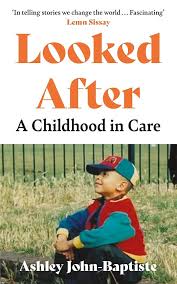
Looked After: A Childhood in Care by Ashley John-Baptiste: As TEPs, AEPs and EPs we support many children who are care-experienced but it can be hard to imagine the emotional impact of living between different homes within the care system and the impact this has on a child’s sense of identity, belonging and security. Ashley shares his life story within this book and highlights how educational professionals who champion children can make such an instrumental difference in the lives of care-experienced young people. I reflected on the multitude of decisions that were made for Ashley by professionals that he had no control over or say in as a child and the impossible decisions Ashley was forced to make in relation to trying to go to university as a care-leaver. A reminder to all professionals that not all children will feel a sense of love and belonging at home and the importance of listening to our young people authentically and the value of those positive relationships in school. I was lucky enough to meet Ashley and hear him speak at our virtual school conference this year and I felt grateful to be able to tell him in person the impact his book had had on my outlook on my work.
Poor by Katriona O’Sullivan: ‘Poor’ was a hard but important read chronicling Katriona’s life living in poverty and her experiences of trauma, teenage pregnancy, addiction and the ongoing complexities of her relationship with her parents. Its an honest and complex read and I hold it in mind when the notion of a ‘difficult family life’ is mentioned within casework. I reflected on the impact of one caring teacher who taught her to clean herself and gave her fresh underwear and how so many teachers across the world go above and beyond ‘teaching’ to help our most vulnerable children. Most poignantly, I reflected on how ‘professionals’ at times hindered or helped her journey towards an ultimately remarkable outcome (I won’t spoil the ending!) For me, it fuelled my desire to be compassionate and go above and beyond where possible to make a difference. A quote from the book that resonated with me was: “But ‘poor’ for me was also feeling like I had no worth. It was poverty of mind, poverty of stimulation, poverty of safety and poverty of relationships. Being poor controls how you see yourself, how you can trust and speak, how you see the world and how you dream.”
I’m always looking for my next fiction/non-fiction/autobiographical read so please do send any recommendations my way through the comments or via social media!


 Ed Psych Share Space
Leave a comment